
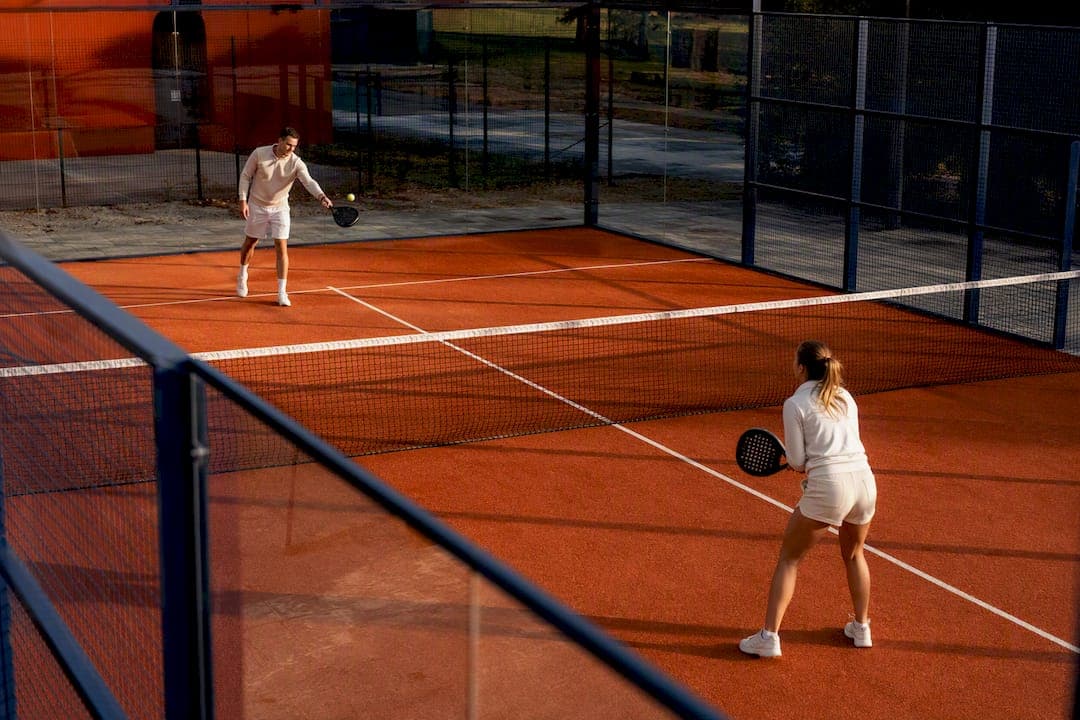
Join a recurring team or social sport and show up on a schedule, or use an activity partner app like Conppi to skip the search entirely. The World Health Organization ties regular group physical activity to real social benefits, and running communities tracked by World Athletics prove the model works at scale. Give any new sport at least three to six sessions before deciding whether it clicks.
TL;DR:
- Recurring sports like team leagues, racket clubs, and running groups build faster social bonds through consistent attendance over time.
- Finding local sports groups is most effective by checking municipal listings, community centers, or activity apps rather than generic online searches.
- Attending at least three to six sessions before evaluating a group helps ensure that social chemistry develops naturally.
- Using activity partner apps like Conppi simplifies same-day matching by filtering for sport, skill level, and location, boosting consistency.
- Meeting in public places, clarifying logistics early, and avoiding extra payments or evasive behavior minimize safety risks in spontaneous sport encounters.
Table of Contents
- Which sports actually help you meet people
- How do you find local sports groups and pickup games?
- What should you do at your first session to make it count?
- Sport-by-sport quick starts for meeting people fast
- How apps are changing the way people find sports partners
- Staying safe: etiquette and red flags to watch for
- What building an activity matchmaking product taught us about friendship
- Try Conppi to find your next sports partner
- Sources
Which sports actually help you meet people
Not every sport delivers the same social payoff, and picking the wrong one first is why so many people try "getting into a sport to meet people" once and quit. The pattern that matters most is repetition. A sport you do with the same group, on the same day, week after week, builds familiarity faster than any single big event ever will.
Here's how the major options stack up for social potential:
- Team sports (soccer, basketball, volleyball leagues): Built-in social structure since you need teammates to show up. Commitment is moderate, usually one game and one practice per week for a typical season lasting several weeks.
- Racket sports (padel, tennis): Small groups mean faster bonding. Club "social hours" and mixed-level rotations make it easy to play with new partners weekly.
- Running groups: Extremely low barrier to entry and often free. Weekly pace groups mean you see the same faces regularly, and post run coffee is practically a tradition in most cities.
- Cycling clubs: Long rides force real conversation since you're stuck together for an hour or two. Weekly group rides are the norm.
- CrossFit and gym classes: The coach knows your name by week two, and class sizes are small enough that you recognize regulars fast. Sessions happen three to five times a week if you want them to.
- Hiking groups: Slower to build friendships since outings are often monthly, but the shared effort of a long trail creates stronger one-off bonds than most casual meetups.
Prioritize anything recurring over anything one-off. A single charity 5k or a pickup game you never repeat rarely turns into friendship. A World Health Organization review of organized group activity backs this up: repeated exposure, not intensity or skill level, is what drives the social payoff.
How do you find local sports groups and pickup games?
Finding the right group is mostly a search problem, and most people search badly. They Google "basketball near me" and get a list of gyms, not people. Here's a better approach.
- Check municipal listings first. Most cities publish community sport programs through parks and recreation departments, and these tend to be cheaper and beginner friendly compared to private clubs.
- Search with modifiers, not just the sport name. Add "pickup," "weekly," "beginner," or "club" to your search. "Padel beginner weekly" surfaces very different results than "padel."
- Try community centers and university extension programs. Many allow public enrollment in evening classes or open gym nights, even if you're not a student.
- Ask your gym. Front desk staff often know about informal groups that never bothered building a website.
- Scan physical noticeboards. Running stores, bike shops, and climbing gyms post more local group info than you'd expect.
- Use an activity partner app for anything time-sensitive. Apps built for real-time matching, like Conppi, work well when you want a partner for tonight instead of waiting on a scheduled club night.
Before you commit to a group, filter for fit. Ask about cost upfront, average group size, and whether the schedule actually repeats weekly. A group organizer who answers questions warmly and specifically is a good sign. One who's vague about times or cost is worth skipping.
What should you do at your first session to make it count?
Your first session decides almost nothing. Your third, fourth, and fifth do. The goal on day one is simply not to be forgettable, and the goal after that is to show up again.
Before you arrive: bring exactly what the sport requires (extra socks for running, your own paddle for padel if you have one), arrive ten minutes early, and have one simple opener ready. "First time here, any tips before we start?" works for almost any sport.
During the session, small behaviors do more work than big ones:
- Offer to help set up or pack away equipment.
- Give a genuine compliment on someone's play, not a generic "good game."
- Rotate partners or positions if the format allows it, rather than sticking with whoever you arrived with.
- Ask a specific follow-up question about someone's answer, not just "how long have you played?"
Afterward is where most people drop the ball. Ask to join the group's chat or messaging thread if one exists. Propose something low-effort, like grabbing coffee after your next run, rather than a full dinner invite. A short, easy ask gets accepted far more often than a big one.
Pro Tip: Commit to attending three to six sessions before you evaluate whether a group is "your people." Social chemistry with a new group almost never shows up in one visit, but it's usually obvious by the fourth.
Sport-by-sport quick starts for meeting people fast
Different sports need different opening moves. Here's the fastest path into each.
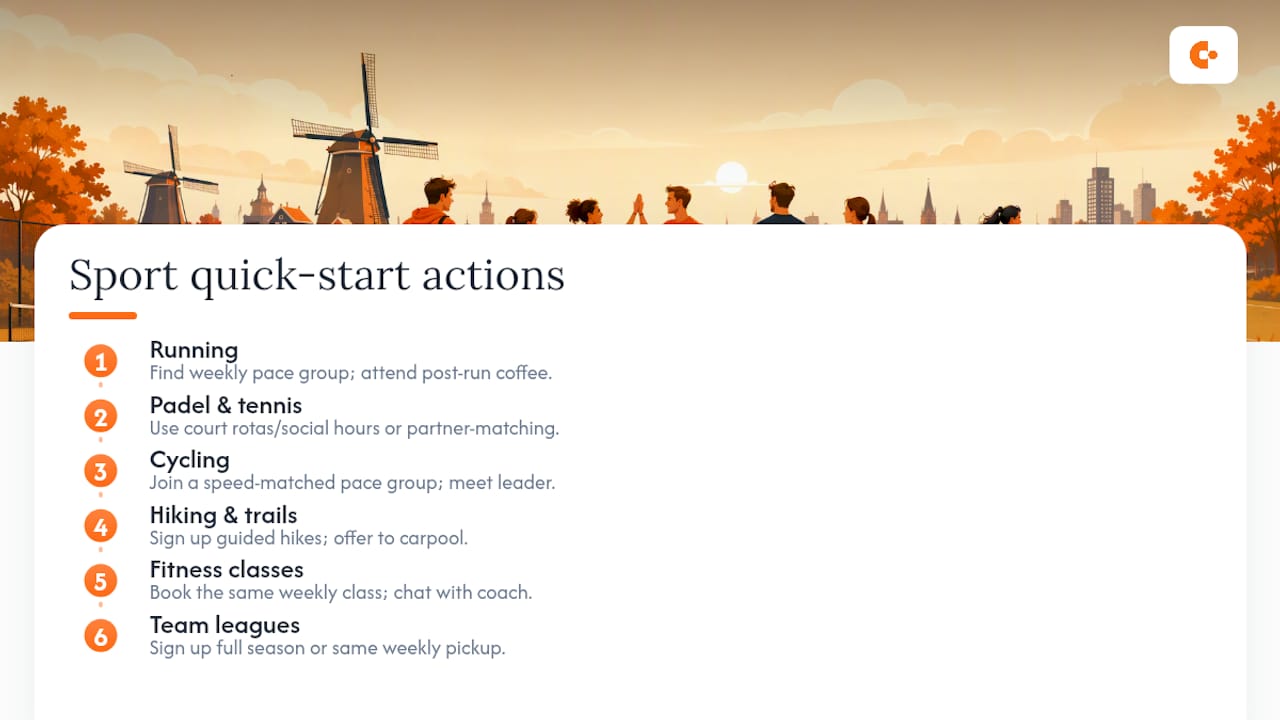
Running. Find a weekly pace group through a local run club or store, not a generic running app. Show up on time, and once you know the route, offer to lead a short segment yourself. Almost every serious running group has a post-run coffee ritual. Show up to that even if you're tired.
Padel and tennis. Ask your club about court rotas or open partner lists, which pair you with whoever else needs a fourth. Visit during posted social hours, which most clubs run specifically to mix skill levels and introduce new members. If your club lacks a rota, finding a tennis partner through a matching tool skips the waitlist entirely.
Cycling. Join a pace-group ride labeled for your speed, not the fastest group in town. Introduce yourself to the ride leader before you roll out. They usually know everyone and will pull you into conversation.
Hiking and trail groups. Sign up for guided hikes rather than solo trail days. Offer to carpool. Nothing builds rapport faster than forty-five minutes trapped in a car with someone before you've even started walking.
CrossFit and fitness classes. Book the same class slot every week rather than floating between times. Chat with the coach after class. Coaches usually introduce regulars to newcomers once they recognize you're sticking around.
Team leagues. Sign up for a full season instead of a single game. If you're doing pickup instead, show up on the same day and time every week rather than whenever you're free. Consistency is what turns "that guy who plays sometimes" into an actual friend.
How apps are changing the way people find sports partners
Finding a partner used to mean waiting for a club night or hoping a friend of a friend played your sport. Activity-partner apps collapse that wait into minutes by matching people who are nearby and free right now.
Conppi works this way for sports specifically. You set filters for the sport (tennis, padel, running, cycling, gym, swimming), pick a time window and rough skill level, and get matched with someone nearby looking for the same thing. There's no swiping and no profile-building marathon, just finding a sports partner who wants to play when you do. Distance is shown approximately rather than precisely, which keeps location private while still telling you if a match is realistically close enough to meet.
Setup tips that matter:
- Fill in your sport and skill level honestly. Vague filters produce mismatched partners.
- Set your availability window generously. Narrow time slots shrink your match pool fast.
- Move fast once you get a match. Confirm a time and location within the app before the conversation goes cold.
The health case for showing up regularly is well established: consistent group activity supports both physical and social well-being, and apps that lower the friction to finding a partner make that consistency easier to sustain.
Staying safe: etiquette and red flags to watch for
Meeting strangers through sport is generally low-risk, but a few habits keep it that way.
Before meeting anyone new: pick a public location, let a friend know where you'll be, and check that a group or organizer has some visible track record, whether that's reviews, a club affiliation, or an established schedule. Meeting as part of a group first, before any one-on-one session, is the safest default.
Once you're playing, basic etiquette carries real weight: be upfront about your actual skill level instead of oversell it, respect scheduling and other people's gear, and rotate roles so no one gets stuck doing the same job every time.
Watch for these red flags:
- Requests to pay or send money outside the app or club's official channel.
- Consistent avoidance of group settings when a group option was available.
- Communication that's inconsistent or evasive about basic logistics like time and place.
What building an activity matchmaking product taught us about friendship
People assume the hard part of meeting others through sport is the meeting itself. It isn't. The hard part is the second invite. Almost anyone will say yes to playing once. Getting a "yes" to playing again, on a recurring basis, is where most casual connections quietly die.
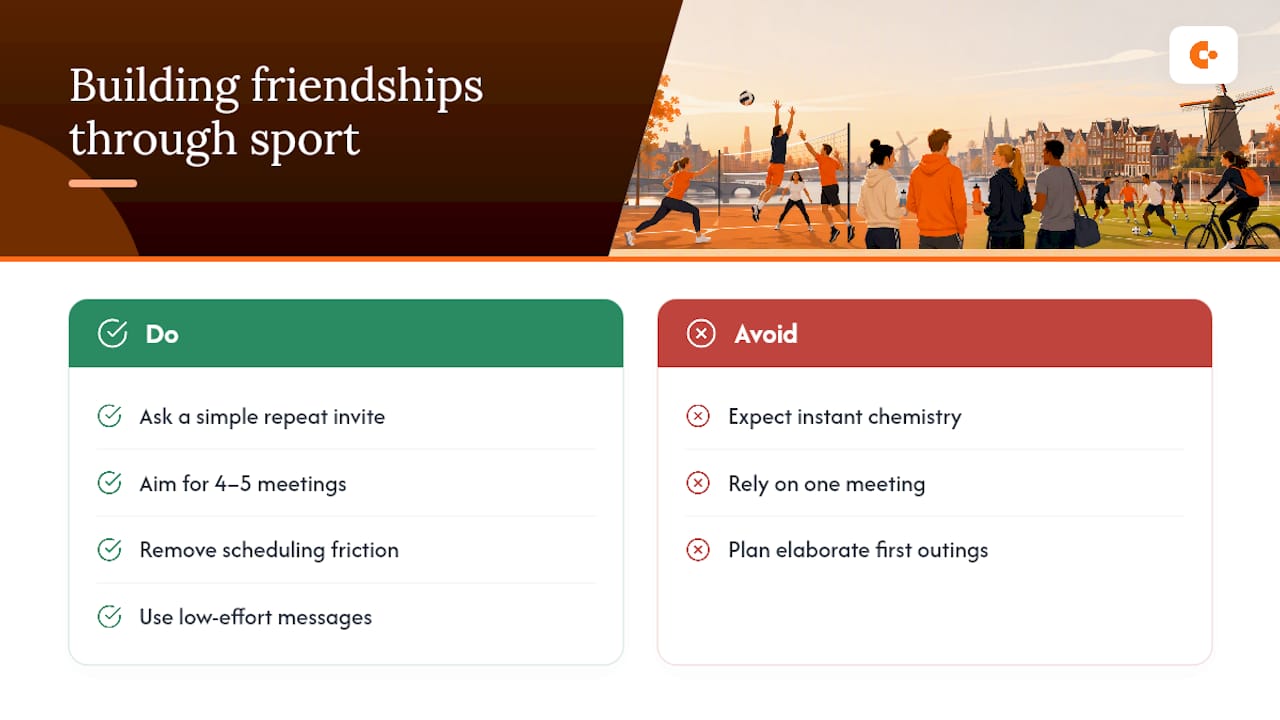
The two lessons that hold up again and again: friendships built through sport form on repetition, not chemistry. You don't need to click with someone in one session. You need to see them four or five times. And low-effort invites beat elaborate ones. "Same time next week?" gets a better response rate than any thoughtfully worded message proposing a whole evening out.
What surprises people most is how much of this is just logistics. Solve the scheduling friction, and the friendships mostly take care of themselves.
— Ilya
Try Conppi to find your next sports partner
Conppi is built for exactly the gap this article keeps circling back to: you know a sport could get you social, but finding the right person, at the right time, nearby, is the part that stalls everyone out. Instead of scrolling club calendars or waiting for a group chat invite, you set your sport, skill level, and availability, and Conppi matches you with someone nearby who wants to play the same thing, right now.
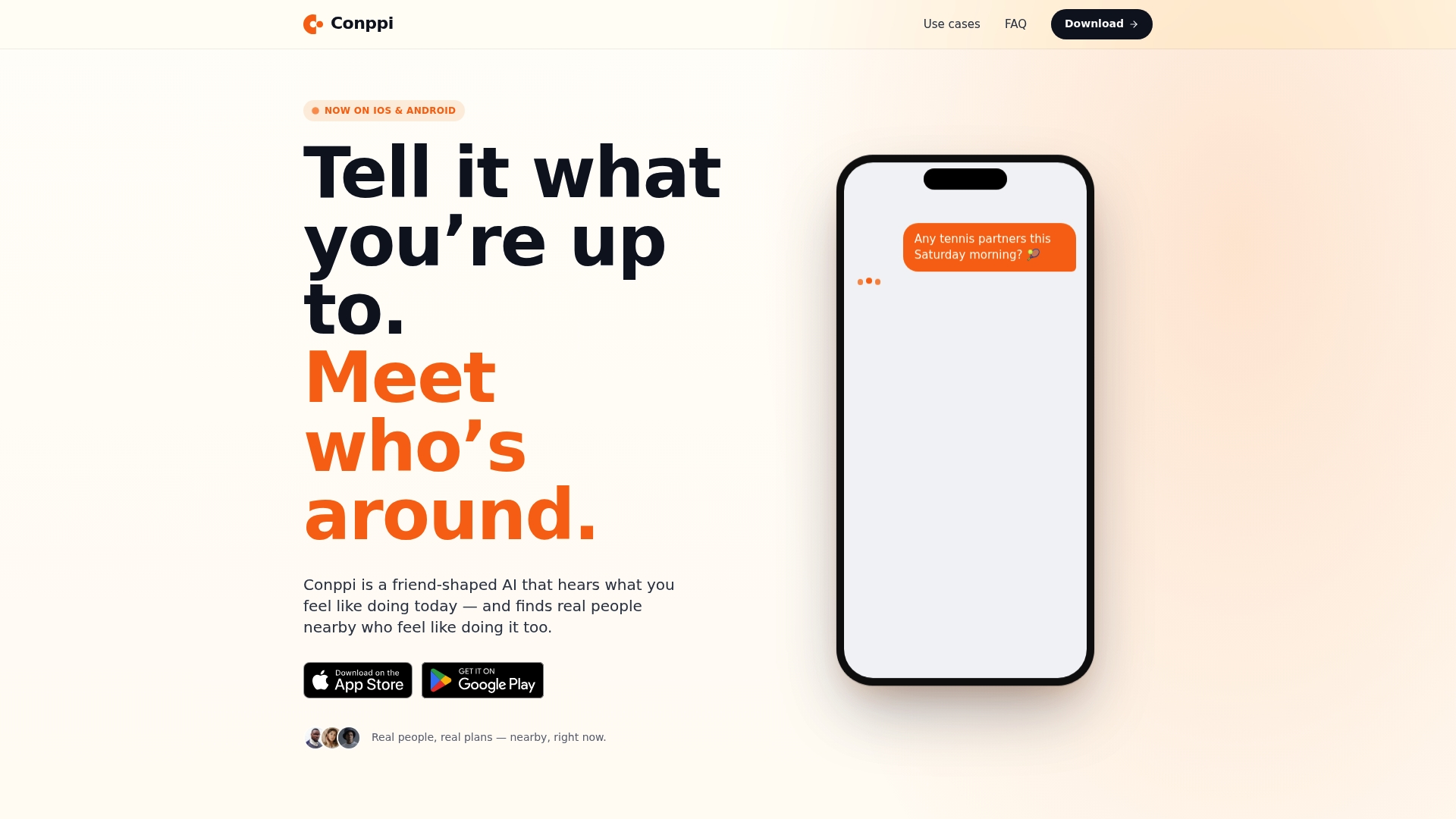
The filters cover tennis, padel, running, cycling, gym sessions, and swimming, so you're not stuck hoping a general meetup app happens to have your sport covered. Distance shows as approximate, not exact, so you get enough information to judge convenience without giving up privacy. To start, download the app, set your sport and time window, and confirm your first match. If racket sports are your entry point, you can go straight to finding a padel partner or finding a tennis partner near you and have a game on the calendar within the day.